This article directly below in relation to Six Benefits of a Tankless Hot Water Heater is indeed remarkable. Try it and draw your own findings.
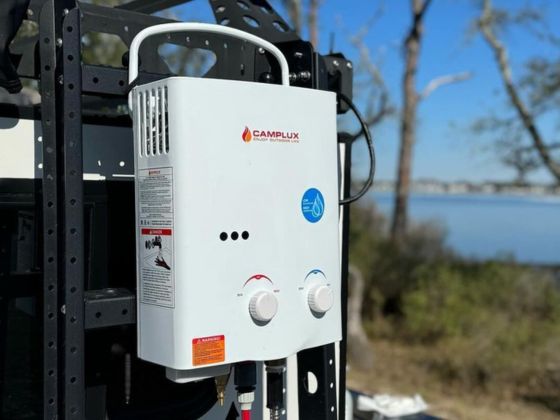
In a globe where ease and effectiveness reign supreme, it's not a surprise that property owners are regularly on the lookout for smarter ways to handle their home's energy intake and convenience. One technology that has actually progressively obtained appeal is the tankless water heater. However just what makes these systems stand out from the traditional tank-based models most of us grew up with? Allow's dive in and explore the advantages of tankless water heaters, assisting you decide if it's time to make the switch in your home.
Intro
Image this: you step into the shower after a long day, expecting a soothing cascade of warm water, only to be greeted by icy droplets due to the fact that the last individual used all of it up. Noise familiar? Standard hot water heater store a fixed amount of warm water, suggesting you go to the grace of that tank's supply. Tankless systems, on the other hand, warm water on demand. No more going out mid-shower, say goodbye to fumbling with timetables simply to make certain warm water is available.
Recognizing Tankless Hot Water Heater
What Are Tankless Water Heaters?
Tankless hot water heater, often known as on-demand or instantaneous hot water heater, offer warm water only as it's required. Rather than storing gallons of pre-heated water, these devices kick into action the moment you switch on the tap. Water goes through a heat exchanger, heating up in real-time, suggesting you get an uninterrupted circulation of warm water without the demand for a large container resting idly by.
How Do They Differ from Typical Equipments?
Conventional heaters hold a storage tank of hot water, making use of power to maintain that storage tank at a consistent temperature. Tankless systems remove the standing supply, cutting down on lost energy and the bulky impact of a big cylinder. Basically, you're upgrading from a "stockpile" frame of mind to a "made-to-order" technique.
Usual Types of Tankless Devices
Tankless water heaters normally come in two ranges: gas and electric. Gas models tend to deliver greater flow rates, perfect for larger households, while electric designs usually offer smaller homes and are normally much easier to install. In addition, some systems are developed for point-of-use (serving one component) while others can handle the whole home's hot water requirements.
Trick Benefits of Tankless Water Heaters
1. Endless Hot Water Supply
Ever before had to set up showers so every person obtains their reasonable share of hot water? With tankless, that ends up being a thing of the past. As long as the heater's flow capability isn't surpassed, you can take back-to-back showers without developing into a popsicle.
2. Energy Effectiveness and Cost Financial Savings
No more heating up a titan tank's well worth of water and keeping it warm all day. Tankless heaters lower standby energy losses, which can decrease utility expenses. While the first price might be higher, the long-lasting financial savings typically validate the investment.
3. Space-Saving Layout
If your home is short on storage space, eliminating the bulky tank liberates valuable room. Tankless devices are small and can frequently be placed on walls, stashed in corners, or mounted in tight energy storage rooms without hogging the whole room.
4. Longer Life expectancy
A well-maintained tankless hot water heater can outlast its tank-based cousin. Standard tanks could last 10-15 years, while tankless models can keep downing along for 20 years or more, making them a solid investment over time.
5. Improved Water High Quality
Storing water in a tank can in some cases result in debris buildup or a slightly "off" preference. With tankless systems, fresh water is warmed on the spot, minimizing the possibilities of debris buildup and potentially providing cleaner-tasting water.
Considerations Before Changing
Though the benefits are engaging, it's a good idea to consider a couple of aspects before fully committing.
First Investment Expenses
Tankless heating systems commonly feature a greater ahead of time cost. In between the system itself and potential installment modifications, the first cost may give you sticker shock. But bear in mind to view it as a long-lasting financial investment.
Installation Needs
Depending upon your home's framework, you could need additional electrical ability or gas line upgrades. Ensure you understand the installment demands and talk to a professional to stay clear of surprises.
Evaluating Your Home's Water Use Patterns
If your house all at once makes use of multiple components with high hot water need, make sure the device's flow rate fulfills your needs. Knowing your usage patterns assists you choose the ideal dimension and sort of tankless heating system.
Maintenance and Treatment Tips
Tankless systems are reasonably reduced maintenance, however they aren't set-it-and-forget-it home appliances.
Routine Cleaning and Descaling
Tough water minerals can develop in the heat exchanger, influencing efficiency. Normal descaling (often recommended each year) maintains the system performing at peak performance.
Annual Professional Inspections
A yearly checkup from a specialist makes sure small problems are captured early. They'll analyze the system's performance, look for leakages, and help preserve ideal effectiveness.
Making Sure Appropriate Air Flow
For gas designs, proper air flow is necessary to securely expel exhaust gases. Make certain airing vent systems are clean and appropriately installed to prevent any type of possible safety and security risks.
Contrasting Different Brands and Versions
Not all tankless hot water heater are developed equivalent.
Looking Into Dependable Makers
Try to find reliable brand names with a background of generating top quality devices. A trusted manufacturer typically provides far better client assistance and longer service warranties.
Checking Out Evaluations and User Comments
User evaluations and comments from neighbors or pals who have actually gone tankless can use important understandings. In some cases, real-life experiences can be extra telling than advertising and marketing pamphlets.
Installment: Do It Yourself or Specialist?
While some house owners relish dealing with tasks themselves, tankless installment could not be the best time to break out the tool kit.
Pros and Cons of Do It Yourself Installment
A DIY install can save cash, but it includes risks. Incorrect setup can cause inadequacy or safety and security problems. If you come in handy and have experience, it may be practical-- yet wage care.
When to Call an Expert Plumbing Technician
For many, calling a pro makes sure everything's done appropriately. An expert plumbing recognizes regional codes, sizing demands, and airing vent specifications, reducing the danger of mishaps.
Optimizing Effectiveness
You've purchased a tankless device-- now optimize its efficiency.
Ideal Temperature Level Setups
Many people set their devices in between 120-140 F. Adjusting the temperature can improve convenience and savings. Experiment to find a wonderful place that doesn't lose power.
Coupling With Low-Flow Fixtures
Intend to extend your device's abilities? Think about setting up low-flow showerheads and taps. They decrease water usage, allowing your tankless system to provide a stable stream of hot water without stressing.
Ecological Impact
Tankless water heaters align with greener living objectives.
Minimized Carbon Footprint
By utilizing less energy and just heating water as needed, tankless systems can reduce your home's carbon footprint, lowering your ecological impact.
Preserving Natural Resources
Less power usage and much less thrown away warm water equate right into fewer natural resources being used, an ecological win-win.
Who Benefits Many from Tankless Heating units?
The charm of tankless heaters is that they can fit a variety of households.
Large Family Members vs. Solitary Passengers
Big households may enjoy the limitless warm water supply, while single owners value the power cost savings from not heating up an entire tank for simply someone's early morning shower.
Property Owners with Limited Room
If your home is short on square video, losing the large container maximizes area for other fundamentals-- or maybe just extra elbow room.
Eco-Conscious Consumers
Going tankless aligns with eco-friendly worths, guaranteeing you're not losing energy or resources.
Future Fads in Tankless Hot Water Heater
The world of home appliances is ever-evolving, and tankless water heaters are no exemption.
Smart Home Integration
Envision adjusting your water heater's temperature using an app or getting upkeep alerts on your phone. As clever home tech breakthroughs, we'll see even more connectivity and benefit.
Improvements in Innovation
R&D is regularly boosting warmth exchangers, making devices extra effective and resilient. Future designs may be even quieter, much more compact, and better suited for varying environments.
Conclusion
Selecting a tankless water heater is greater than simply upgrading your home's hot water system; it's purchasing long-lasting comfort, energy performance, and a greener way of life. By considering your house's water use, being mindful of installation needs, and dedicating to regular upkeep, you can delight in a constant stream of hot water without the luggage of a cumbersome storage tank. As modern technology evolves, you can expect also smarter, a lot more reliable tankless options that not just make your life much easier but additionally benefit the planet.
The Benefits of Tankless Water Heaters for Modern Homes
Energy Efficiency and Cost Savings
Reduced Energy Consumption
Tankless water heaters are known for their energy efficiency. Unlike traditional water heaters that continuously heat and reheat water to maintain a set temperature, tankless systems only heat water when needed. This on-demand heating process significantly reduces energy consumption, lowering utility bills. According to the U.S. Department of Energy, tankless water heaters can be 24-34% more energy-efficient than conventional storage tank water heaters for homes that use 41 gallons or less of hot water daily.
Long-Term Cost Savings
While the initial investment for a tankless water heater may be higher than that of a traditional unit, the long-term savings on energy bills can offset this cost. Additionally, tankless models typically have a longer lifespan, lasting up to 20 years or more with proper maintenance. This durability translates to fewer replacements and lower overall costs over time.
Unlimited Hot Water Supply with Tankless Water Heaters
Continuous Hot Water
One of the most significant advantages of tankless models is their ability to provide an endless hot water supply. Since these systems heat water on demand, homeowners never have to worry about running out of hot water, even during peak usage times. This especially benefits larger households or homes with high hot water demands.
Enhanced Comfort and Convenience
With a tankless water heater, you can enjoy the comfort and convenience of hot water whenever you need it. Whether taking a long shower, running multiple appliances simultaneously, or hosting guests, a tankless system ensures that hot water is always available without interruption.
Space-Saving Design
Compact and Versatile
Tankless models are significantly smaller than traditional water heaters with storage tanks. Their compact design allows for flexible installation options, freeing up valuable space in your home. Tankless units can be mounted on walls, installed in closets, or placed in other convenient locations, making them ideal for homes with limited space.
Modern Aesthetics
The sleek and modern design of tankless versions can also enhance the aesthetic appeal of your home. Unlike bulky storage tanks that can be an eyesore, tankless units are discreet and can easily blend into your home s d cor.
Environmental Benefits
Tankless heaters reduce homeowners carbon footprints by consuming less energy. This makes them an environmentally friendly choice for homeowners looking to minimize their impact on the planet. The Environmental Protection Agency (EPA) highlights the importance of energy-efficient appliances in reducing greenhouse gas emissions and conserving natural resources.
Less Waste
Traditional water heaters are prone to corrosion and sediment build-up, which can lead to frequent replacements and waste. With their longer lifespan and efficient operation, tankless versions generate less waste over time. This durability and efficiency contribute to a more sustainable home environment.
Professional Tankless Water Heaters Installation and Maintenance
Expert Installation
Proper installation is crucial for the optimal performance and longevity of a tankless water heater. Professional plumbers have the expertise to install these systems correctly, ensuring that they function efficiently and safely. Incorrect installation can lead to performance issues and potential safety hazards.
Regular Maintenance
Regular maintenance is essential to keep your tankless water heater operating at peak efficiency. Professional plumbers can perform routine inspections, cleanings, and necessary repairs to extend the life of your unit. This proactive approach helps prevent unexpected breakdowns and ensures a continuous hot water supply.
https://brockplumbinganddrains.com/blog/the-benefits-of-tankless-water-heaters-for-modern-homes/

I recently found that page on when doing a lookup on the search engines. Do you know about somebody who is truly interested in 5 Benefits of Tankless Water Heaters? Be sure share it. Thanks so much for your time invested reading it.
Call Today